Notable Discoveries
Over 380 supernovae and counting — plus a handful of finds that made headlines and reshaped the science.
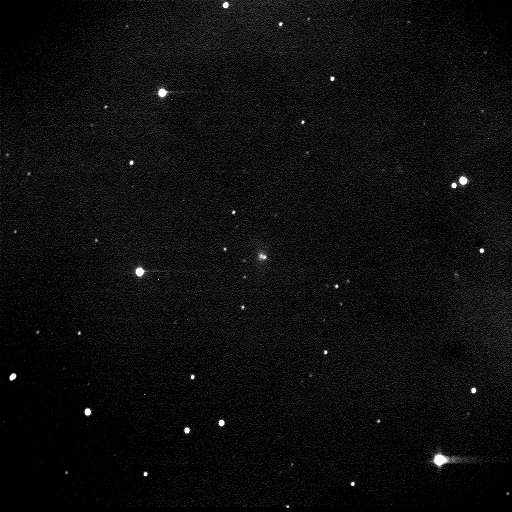
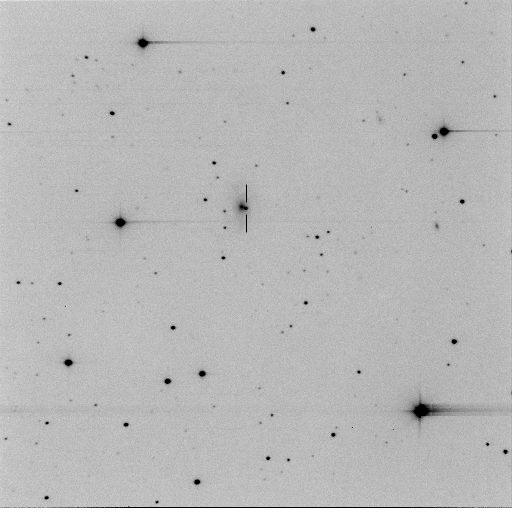
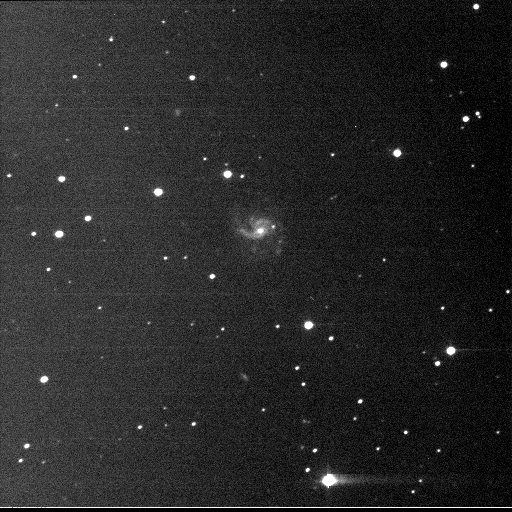
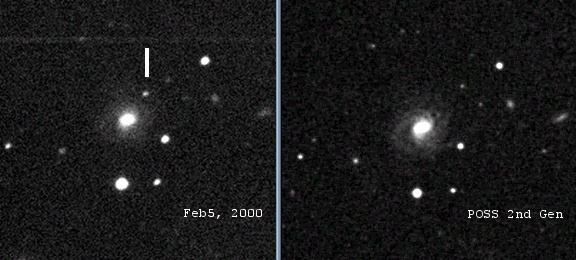
Highlighted finds
- SN 2010O (NGC 3690 / Arp 299): Followed up with a Hubble Space Telescope search for the Type Ib progenitor, published by Bond, Puckett, et al.
- Type Iax class: Of the 25 known members of this rare supernova class, POSS discovered seven — 2008ha, 2008ae, 2007J, 2006hn, 2005cc, 2003gq, and 2002bp.
- Double supernova in UGC 4132: A rare discovery of two supernovae in the same galaxy, reported via IAU Circular 8605.
- Possible quasar in Boötes: Reported via IAU Circular 8518.
- Cataclysmic nova in Hercules: Reported via CBET 226.
- SN 2005bc and SN 2005gl — independently discovered and confirmed supernovae.
- SN 2008ha (CBET 1966): Discovered by 14-year-old team member Caroline Moore — at the time, the least luminous supernova ever observed, and Moore became the youngest person ever to discover a supernova.
- SN 2002bj and SN 2012A: Featured by Sky & Telescope and NASA's Astronomy Picture of the Day.
- Minor planet 1999 JR137: A minor planet discovery credited to the search team.
Statistics by year
Discovery counts have been tracked and compared against other major search programs since the search began in earnest. Between 2009 and 2012 alone, the Puckett Observatory World Supernova Search consistently ranked among the most productive amateur-led supernova search programs in the world — a track record built entirely on volunteer effort and hand-built hardware.
Browse the complete discovery archive
Search every supernova and transient reported by the team since 1994 — designation, host galaxy, magnitude, type, discovery reference, and discoverer credit for each of the 375 documented entries.
Have a question about the search, the telescope, or joining the team?
Tim reads every message himself — from fellow amateur astronomers, students, media, and curious sky-watchers alike.