The Puckett Observatory World Supernova Search
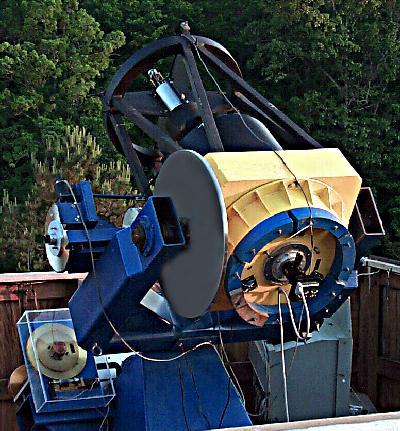
With observatories in Georgia, Arizona, and Osoyoos, British Columbia, the search team images thousands of galaxies every clear night using computer-controlled robotic telescopes — and a worldwide team analyzes the data each day.
How it works
Robotic telescopes, human eyes
Each night, the network's robotic telescopes automatically survey thousands of nearby galaxies. The images are then distributed to team members around the globe, who compare them against reference images to spot new points of light — the tell-tale sign of a supernova.
- No membership fees — the Puckett Observatory never rents telescope time or charges members to participate.
- Observatories in Georgia (USA), Arizona (USA), and Osoyoos, British Columbia (Canada).
- Discoveries are reported to the IAU and confirmed through professional follow-up, including Hubble Space Telescope observations.
Have a question about the search, the telescope, or joining the team?
Tim reads every message himself — from fellow amateur astronomers, students, media, and curious sky-watchers alike.